Challenge
Aureon Vision published genuinely good writing into a site that did it no favours. The layout was generic, the imagery was inconsistent from piece to piece, and there was no visual logic tying an issue together. Readers arrived for a single article and left without sensing there was a publication around it. The team also felt the strain on the production side: every new story was art-directed from scratch, which was slow, expensive and impossible to keep coherent.
They needed two things at once that usually pull against each other — a distinctive editorial identity, and a system efficient enough to produce that identity at the pace of a working publication.
Approach
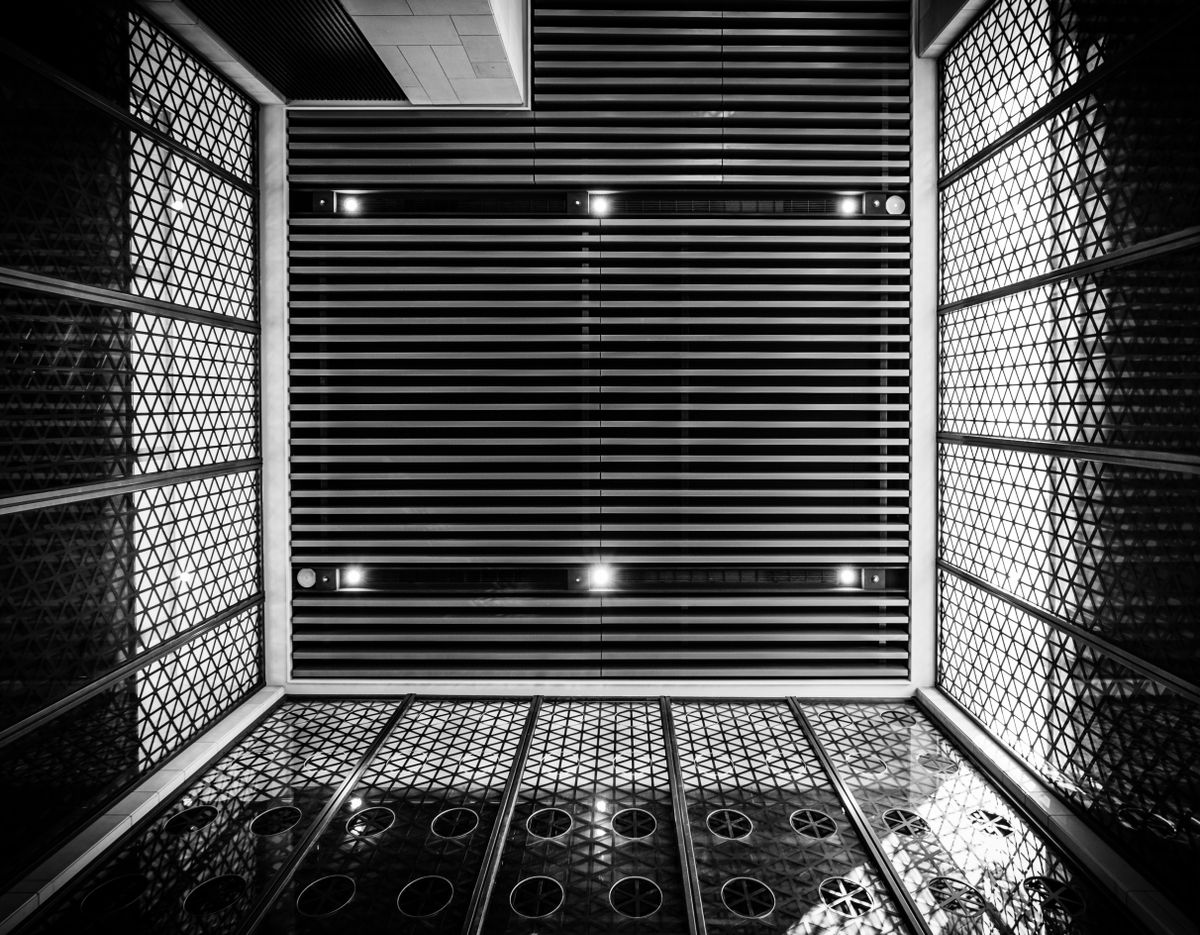
We treated art direction and engineering as one problem. The visual voice came first: a high-contrast monochrome palette, a strong editorial type hierarchy, and a photographic direction built on bold geometry and dramatic light. We wrote that direction down as a real brief — not a mood board, but a set of rules for how images are shot, cropped and paired with text — so that the look would survive being produced by different hands.
Then we built the editorial site as a system of layout templates rather than bespoke pages. Each template encoded the art-direction rules: how a lead image sits against a headline, how pull quotes break the column, how a long read paces itself. The result is that an editor can publish a new piece that looks deliberately art-directed without an art director touching it. Consistency stopped depending on heroics and became the default behaviour of the system.
An editorial brand is only as strong as its hundredth article. The system has to make the routine piece look as considered as the cover story.
Outcome
The redesigned site changed how readers behaved. Average read-through — the share of visitors who reached the end of a piece — rose to roughly two and a third times the previous figure, and the proportion of visitors who went on to read a second article climbed with it. The publication finally read as a publication, not a loose collection of links. On the production side, the time to lay out and ship a new feature dropped dramatically, because the hard art-direction decisions were already made and built in.
Aureon Vision came away with a voice that is unmistakably theirs and a system disciplined enough to keep producing it — which is exactly the pairing an editorial brand needs to last.
It is a balance we return to often: identity and infrastructure are not separate jobs. A look without a system fades within a few issues; a system without a point of view is just a tidy template. The work that endures sits in the overlap, where a strong opinion about how things should feel is built into the very tools that produce them. That is what we set out to give Aureon Vision, and it is what kept the brand coherent long after we handed it over.